
Retaining Wall Construction in Celina, Texas
At FJV Landscape and Irrigation, we specialize in building strong, visually appealing retaining walls that solve real problems for homeowners in the Celina area. Whether you’re dealing with a sloped backyard, an uneven side yard, or significant elevation changes on your property, a professionally built retaining wall can create usable space, prevent erosion, and enhance your landscape.
We design and install segmental block walls, boulder walls, and custom solutions that match your property’s style and needs. Every wall we build is engineered for durability, properly drained, and installed using best practices to ensure it performs for years to come—no leaning, cracking, or shifting.
If your yard needs structure, support, or a fresh new look, we’re here to help you build it right the first time.
Trusted Retaining Wall Builder in the Celina Area
Since 2015, FJV Landscape and Irrigation has been designing and building high-quality retaining walls for homeowners across Celina and surrounding areas. Whether you need a functional solution for a sloped yard or want to enhance your landscaping with raised garden beds or decorative garden walls, we have the experience to deliver lasting results.
From tiered retaining walls and corner walls to poolside walls and raised planters, we use the right materials and engineering techniques to ensure strength, drainage, and visual appeal. As a family-run company with a 5-star reviews on Google, we're proud to serve Collin and Denton Counties, including Aubrey, Celina, Frisco, Irving, Little Elm, McKinney, Pilot Point, Plano, and Prosper.
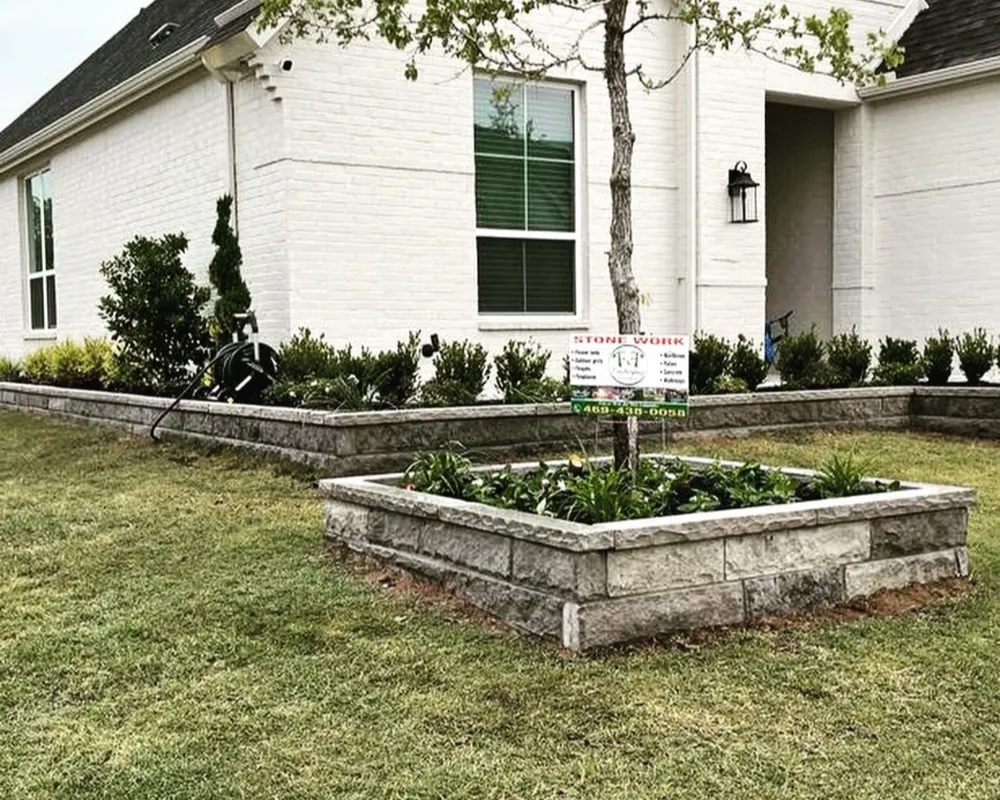
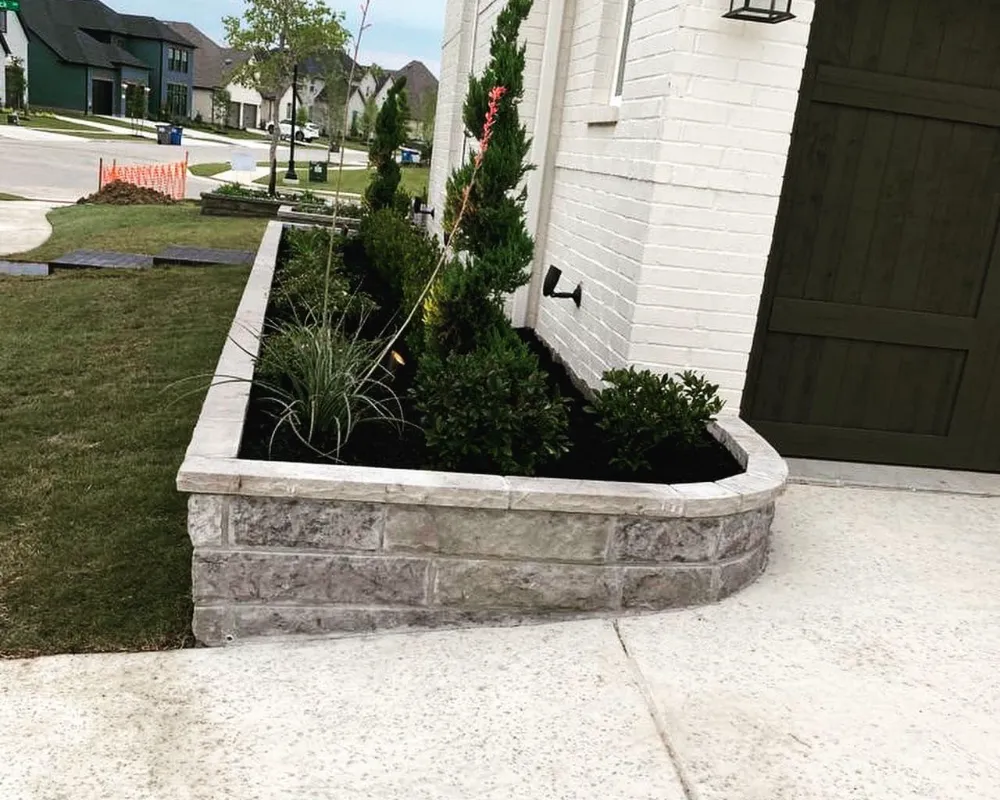
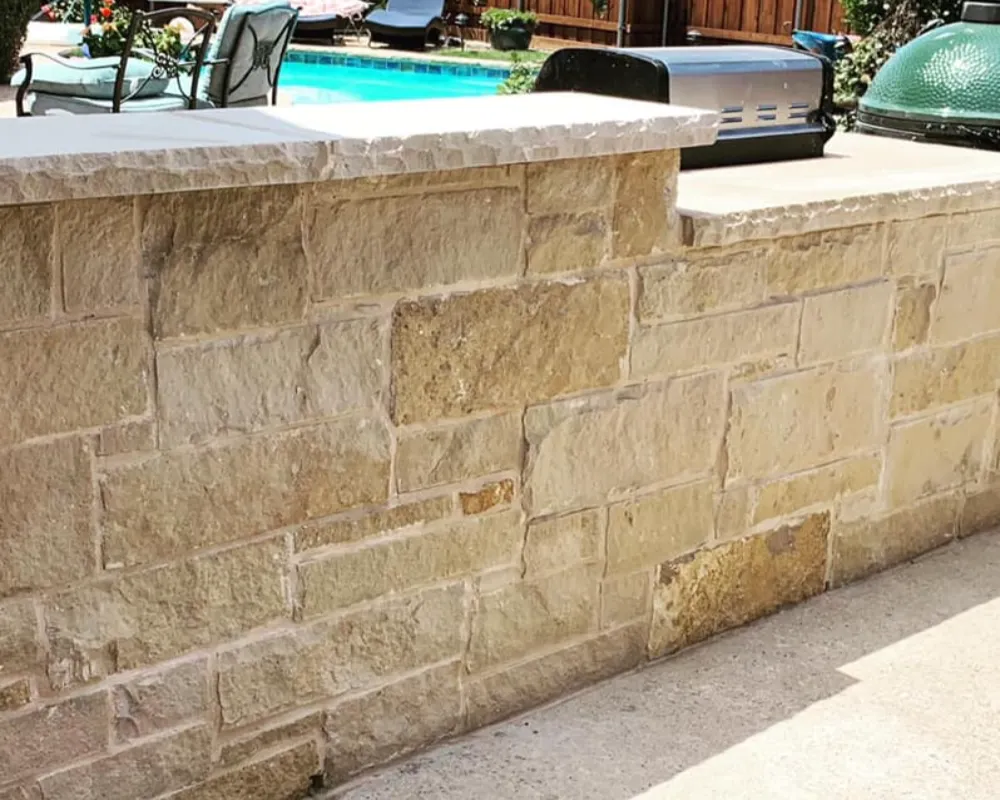
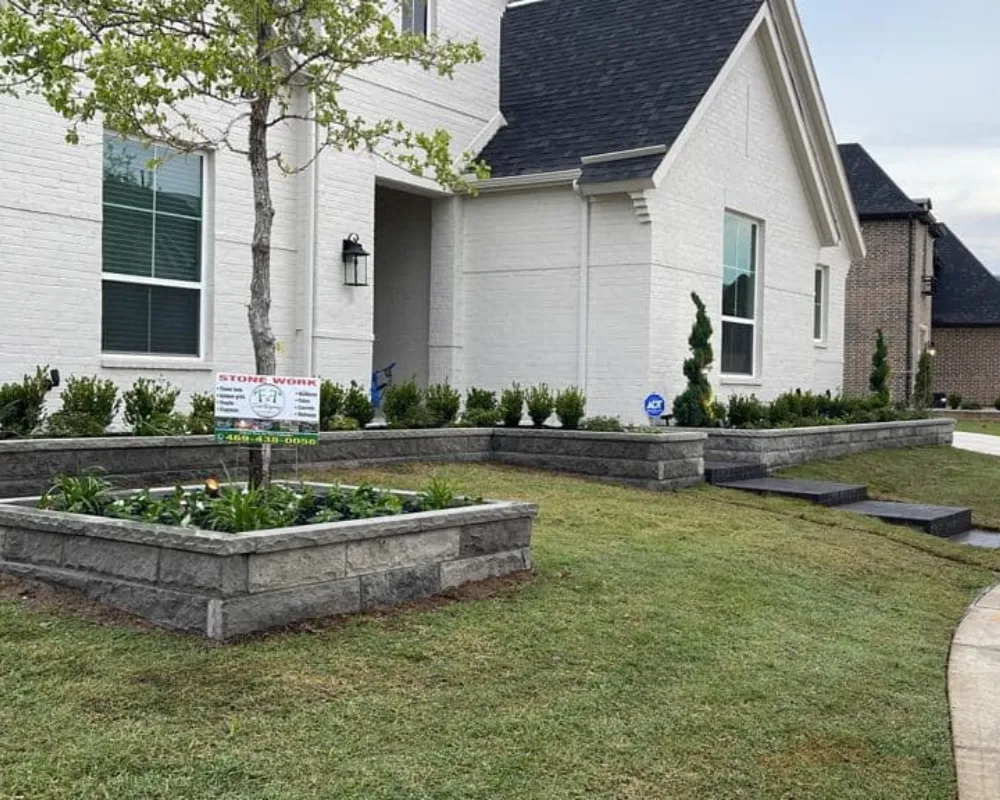
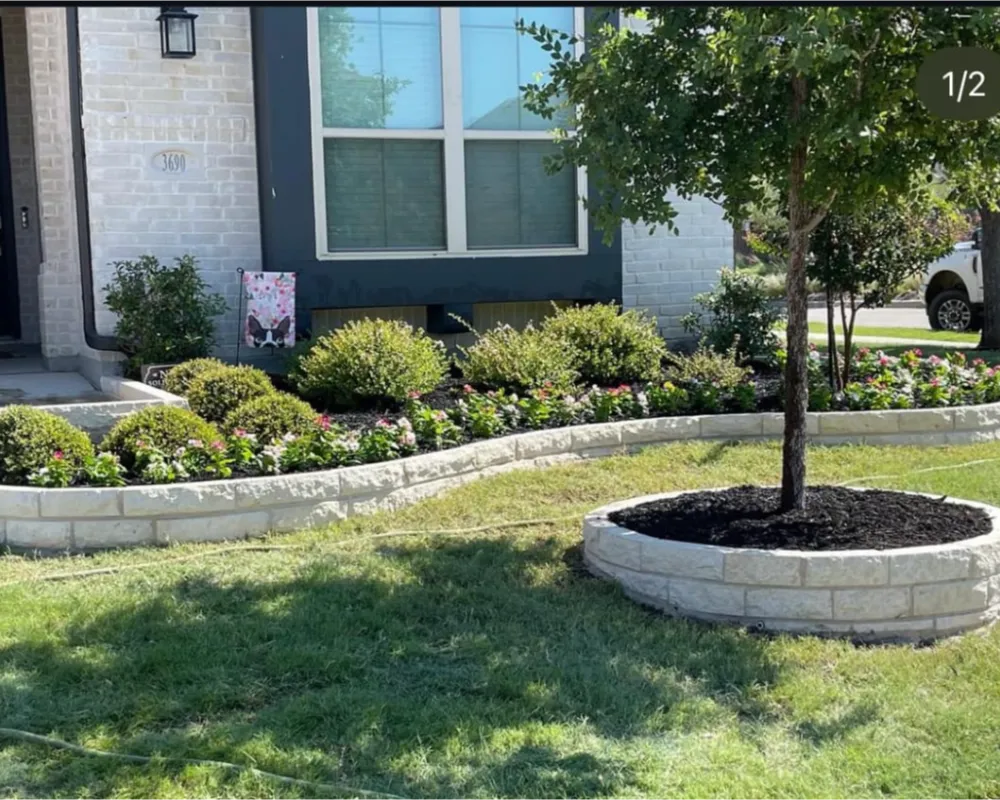
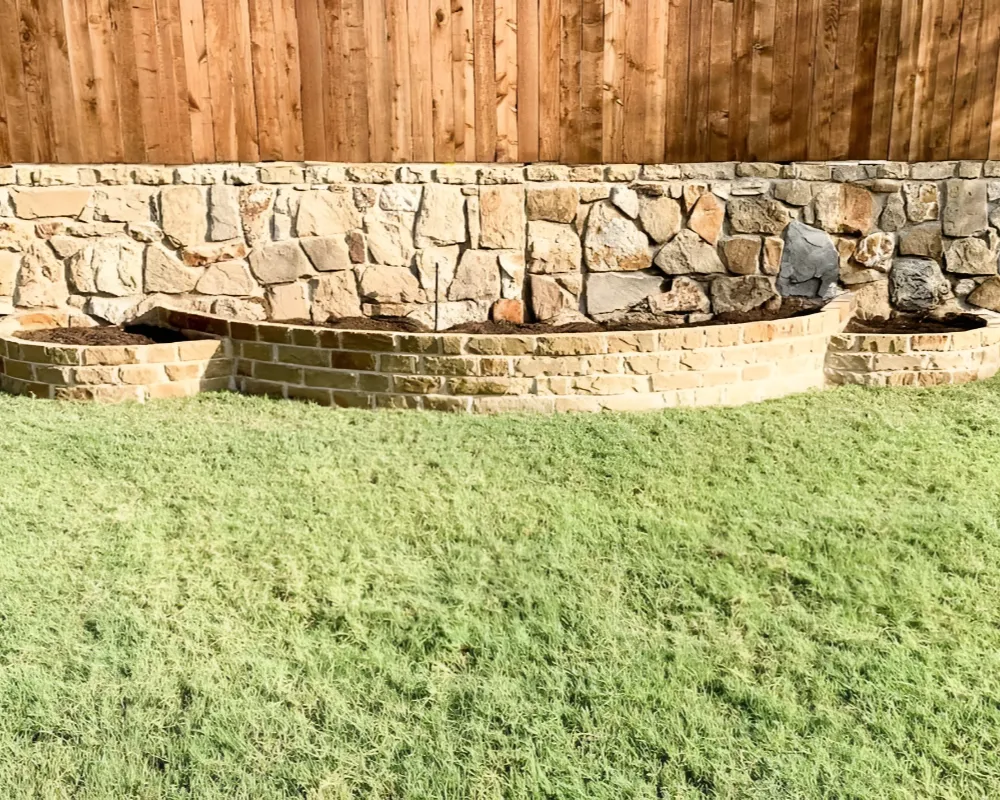
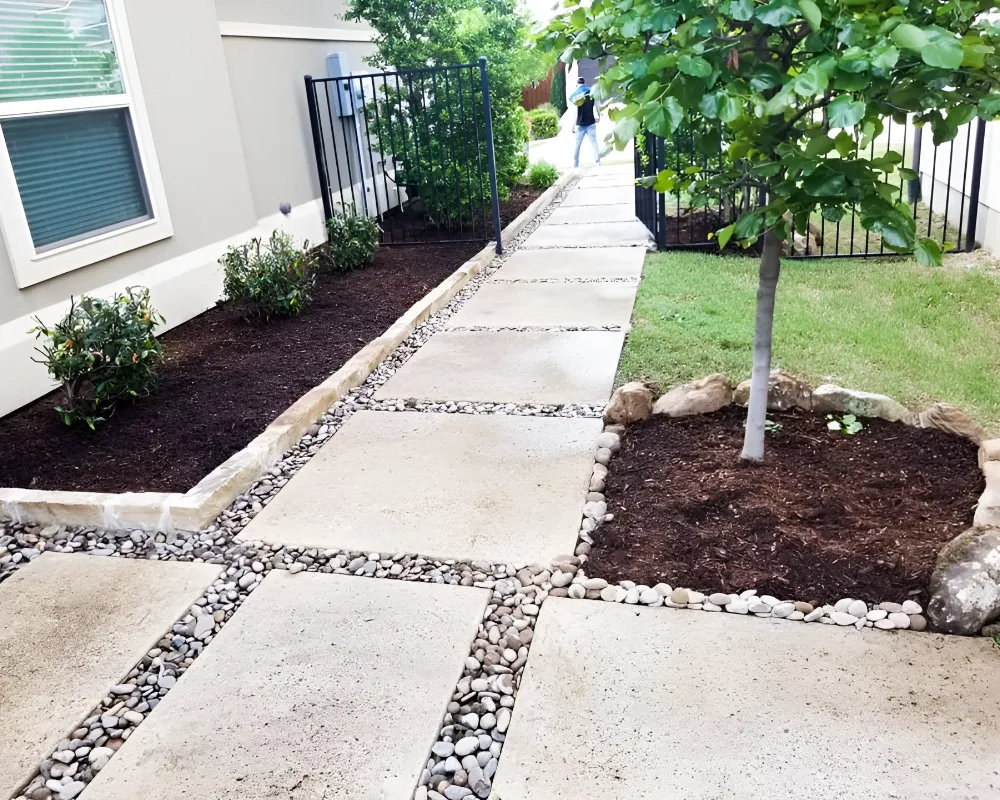
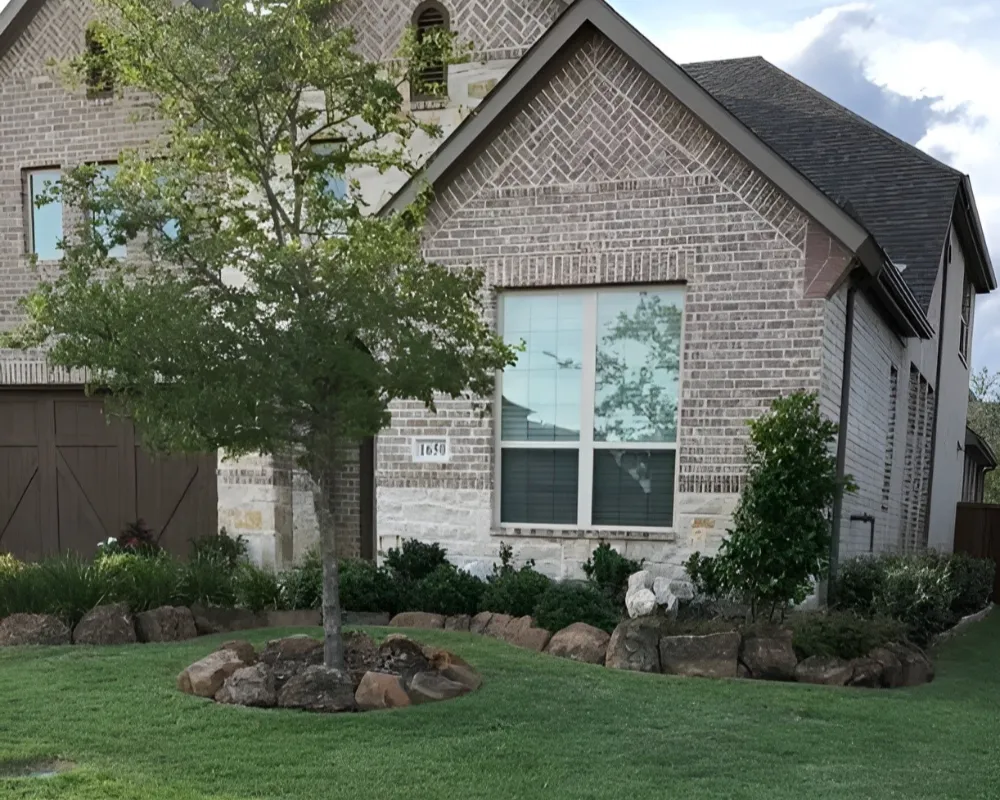
Building New Retaining Walls in Celina, Texas
At FJV Landscape and Irrigation, we build structurally sound, visually appealing retaining walls designed to solve elevation and drainage issues common across Celina and the surrounding region. Whether you’re dealing with a sloped backyard, erosion concerns, or the need to carve out flat, usable space, we offer solutions built to last.
We follow manufacturer specifications for the products we install, ensuring proper base prep, compaction, and drainage. From tiered garden walls to poolside retaining walls and corner solutions, every project is customized to meet site conditions and local requirements.
Do You Need a Permit for a Retaining Wall in Celina?
In most Celina-area municipalities, retaining walls under 4 feet tall typically don’t require a permit. However, walls over 4 feet, or those supporting additional weight (known as a surcharge)—such as driveways, fencing, or structures—often require both a permit and engineering approval under Texas building codes.
We assess all project details during your consultation and can coordinate with licensed engineers when required. We’ll also handle the permit process for you if needed.
Why Proper Drainage Matters
A large percentage of failed retaining walls we replace in the Celina area were built without adequate drainage. Heavy clay soils common in this region hold water, which increases hydrostatic pressure behind the wall. Without drainage, this pressure leads to bowing, cracking, or full collapse.
That’s why every retaining wall we build includes appropriate drainage—such as weeping tile, perforated pipe, gravel backfill, and filter fabric—to protect the structure and extend its lifespan.
What Is a Retaining Wall Surcharge?
A surcharge refers to any added weight or load above or behind your wall—like a parked vehicle, hot tub, fence, or terraced landscaping. These loads significantly increase the pressure on the wall and require reinforcement.
We account for these loads by using methods like geo-grid reinforcement, which locks the wall into the surrounding soil to resist movement. If your wall has a surcharge, proper design and materials are critical.
Common Materials We Use To Build Retaining Walls
We offer a variety of retaining wall options to suit both structural needs and aesthetic preferences:
-
- Segmental block retaining walls (ideal for most residential applications)
- Natural stone retaining walls (great for rustic or high-end landscapes)
- Boulder walls (excellent for larger slopes and a natural look)
Our Retaining Wall Construction Process
-
- Site Consultation – We assess slope, soil, and access.
- Design & Engineering – We determine wall height, permit needs, and surcharge loads.
- Material Selection – Choose between block, stone, or boulders.
- Estimate & Scheduling – We provide a detailed written quote.
- Construction – We follow best practices to ensure strength, drainage, and longevity.
If you're planning a retaining wall project in Prosper, Celina, Frisco and McKinney, or surrounding areas, we’re ready to help. Contact FJV Landscape and Irrigation today to schedule your on-site consultation.
How Much Do Retaining Walls Cost To Build?
Retaining walls can vary in price depending on the length, height, and the materials chosen. Larger walls may need to be engineered which can add to the cost.

Smaller Garden Walls
$3,000 - $5,000
This would be for a small garden wall (under 2 feet high) to surround a small garden or to surround a small landscaping bed.
Medium Sized Walls
$5,000 - $10,000
This would be for a medium sized wall up to 4 feet high. Installed with drainage and geo-grid so it lasts.
Large Retaining Walls
$10,000+
This would be a ballpark cost for a very large or tiered retaining wall or multiple wall with courses that are 4 feet or higher
Retaining Wall Projects Can Include
A beautiful retaining wall isn't just for looks. They have an important job to do. Whether we're building a brand new retaining wall or replacing an existing retaining wall that has failed, there are a number of things we do.
Is Your Retaining Wall Failing, Leaning, Or Collapsing?
Retaining Wall Repairs in Celina, Texas
In the Celina area, we’re frequently contacted by homeowners dealing with retaining walls that have failed—whether it’s an old timber wall that’s rotting, or a block wall that’s leaning, bulging, or collapsing. Texas’s clay-heavy soils, freeze-thaw cycles, and poor drainage can all contribute to structural failure—especially when the wall wasn’t built to code or with proper materials.
At FJV Landscape and Irrigation, we don’t just patch up problem walls—we rebuild them the right way. In most cases, a failing retaining wall is a sign of poor base prep, inadequate drainage, or insufficient reinforcement. Instead of temporary repairs, we typically recommend full replacement to ensure long-term stability and safety.
Rebuilding Failing Retaining Walls the Right Way
If your retaining wall has already failed or is clearly showing signs of structural issues, we can help. Our process includes:
-
- Safe demolition and removal of the old wall
- Re-excavation to prepare a proper foundation
- Installation of crushed stone base, drainage systems, and geo-grid reinforcement where needed
- Rebuilding with modern materials like segmental block, natural stone, or boulders, depending on your preferences and property needs
We specialize in replacing failed walls with code-compliant, professionally engineered structures that will perform for years—even under pressure from poor soil, water buildup, or added weight (surcharges).
If you live in Prosper, Celina, Frisco and McKinney, or nearby areas, and your retaining wall is leaning, cracked, or failing—contact FJV Landscape and Irrigation for a consultation and long-term solution.
Our Clients Love Us!
Here's What They Say
Request Your Retaining Wall Consultation
More Retaining Wall Information
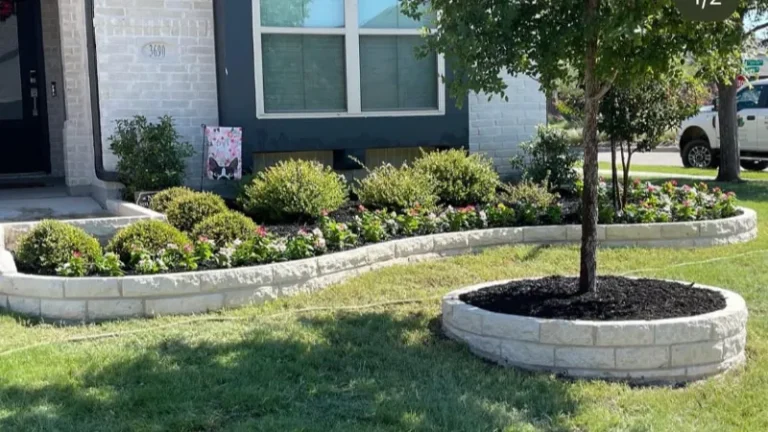
Enhancing Your Retaining Wall: Upgrades for Functionality and Aesthetics
Retaining walls play an important role in many North Texas landscapes. They stabilize slopes, prevent erosion, create usable space, and add visual structure to a yard. But a retaining wall can do…
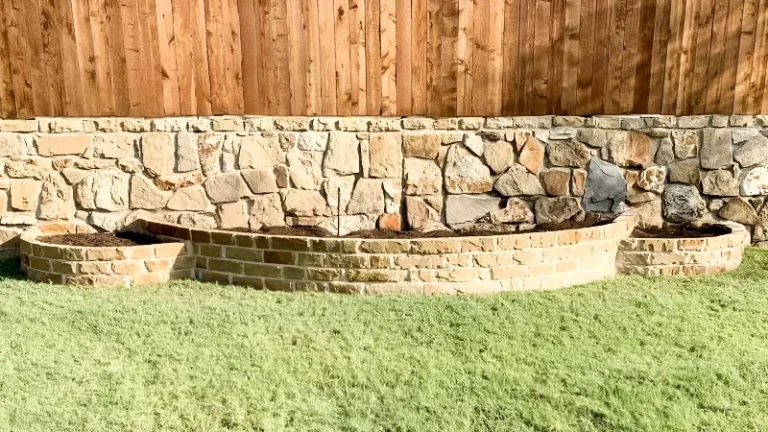
Retaining Wall Failures: A Comprehensive Guide
Retaining walls play an important role in shaping and stabilizing outdoor spaces across Collin and Denton Counties. In cities like Aubrey, Celina, Little Elm, Prosper, McKinney, Frisco, Plano, Irving, and Pilot Point,…
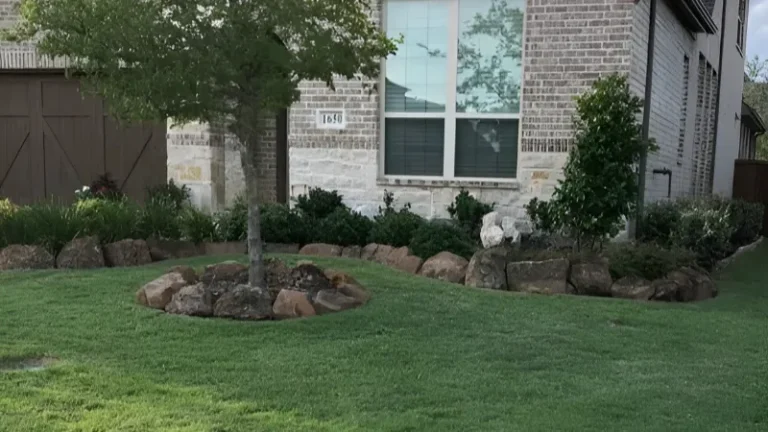
Choosing Between Segmental Or Boulder Retaining Walls
Retaining walls play an essential role in shaping North Texas landscapes. Whether you’re managing elevation changes, preventing erosion, or building out usable outdoor living spaces, the type of wall you choose can…
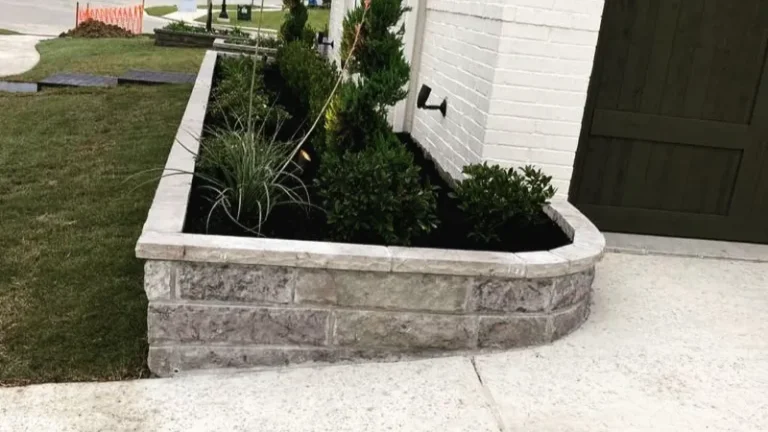
Ideas for a Sloped Yard
Sloped yards are common across Collin and Denton Counties, especially in places like Aubrey, Celina, Little Elm, Pilot Point, Prosper, McKinney, and Frisco, where new developments meet rolling North Texas terrain. While…